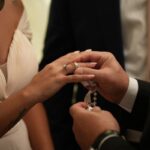

You remember the proposal clearly, yet writing it can feel difficult. A good “how he asked” story does not need dramatic scenery or a perfectly rehearsed speech. It needs a clear beginning, meaningful details, and an honest sense of what the moment felt like.
The goal is to help readers experience the proposal with you. The strongest stories feel personal without becoming confusing, polished without sounding artificial, and emotional without exaggeration. This structure can turn your memories into a proposal recap for a blog, wedding website, social post, or engagement announcement.
Start Before the Proposal Moment
Readers connect more deeply when they understand what led to the proposal. Open with a short piece of context: how long you had been together, what was happening in your lives, or why the chosen place mattered.
Instead of writing, “He proposed during our trip to Edinburgh,” explain that Edinburgh was your first holiday together and returning there had become a tradition. That one detail gives the setting emotional meaning. You might also mention a shared tradition, a meaningful date, or why you did not expect a proposal that day.
Build the Scene With Specific Details
Good proposal story writing relies on selected details rather than a list of everything you saw and did. Choose details that reveal mood, personality, or surprise. Mention the weather if it changed the plan, the song that was playing, the excuse used to bring you to the location, or unusual behaviour.
“He seemed nervous” is useful, but “he checked the same coat pocket three times during dinner” is more vivid. “The beach was beautiful” is general, while “the beach was almost empty except for one dog walker” lets readers picture the scene.
A practical rule is to include one detail from the setting, one detail about your partner’s behaviour, and one detail about your own thoughts. This creates a complete scene without slowing it down.
Use a Beginning, Middle, and Moment
Most effective how he asked story ideas follow a natural three-part shape. The beginning explains the plan. The middle introduces anticipation or clues. The final part slows down for the proposal itself and your reaction.
The Beginning
Explain where you were going and what you believed was happening. Perhaps you thought it was a birthday dinner, a casual walk, or a family gathering. This lets the reader share your limited information.
The Middle
Include one or two signs that now make sense: a friend insisting you dress up, a suspiciously timed photographer, or your partner becoming unusually quiet. These clues create gentle suspense.
The Moment
Slow the pace when the proposal begins. Describe what your partner did, what was said in your own words, and what you noticed first. You do not need to reproduce a long speech exactly. A faithful summary often feels more natural, especially when emotion blurred the wording.
Write Your Reaction Honestly
Not every reaction looks like a romantic film scene. Some people cry, laugh, freeze, ask “Is this real?” several times, or forget to say yes immediately. Honest reactions are often the most memorable part of a how he asked blog post because they reveal real personality.
Avoid relying only on phrases such as “It was magical.” Explain what created that feeling. Did time seem to slow down? Were you surprised to see family nearby? Did you notice your partner’s hands shaking? Emotional clarity comes from concrete moments.
It is fine to mention something imperfect. Rain, a missed reservation, a dropped ring box, or a confused passer-by can make the story warmer and more distinctive. An unscripted moment does not make the proposal less romantic.
Use Photos to Support the Story
If your story will appear online, place photos where they add information. An opening image can establish the location. A photograph near the proposal section can capture the emotional peak, and a final image can show the celebration or ring afterward.
Do not interrupt every short paragraph with a picture. Let readers move through the narrative, then use an image at a natural pause. Without proposal photographs, use pictures from the location, celebration, or a later engagement shoot.
Edit for Pacing, Privacy, and Voice
Read your first draft aloud. This is one of the most useful engagement story tips because awkward sentences and repeated details become easier to hear. Remove background information that delays the proposal, shorten overloaded sentences, and check that every paragraph moves the story forward.
Protect anything you do not want publicly searchable. You can leave out exact dates, private family information, hotel names, or the full wording of a personal speech. Warmth does not require complete disclosure.
Keep your normal voice. If you are playful as a couple, include a little humour. If the proposal was quiet and intimate, do not force dramatic language. Readers respond to a story that sounds like the person who lived it.
A Fill-in Structure You Can Use
Begin with why the day or place mattered. Explain what you thought the plan was. Add two or three clues you noticed. Describe the moment your partner stopped, spoke, or reached for the ring. Share your real reaction, then finish with what happened immediately afterward.
For example: “We had planned what I thought was our usual anniversary walk by the lake. He was quieter than normal and kept suggesting places with a good view. When we reached the bench where we had our first picnic, he took my hands and told me why he wanted to build a life together. I laughed and cried, then realised I had not actually answered. After I said yes, our families appeared from the café across the path.”
Natural internal-link opportunities include proposal planning checklist, engagement photo ideas, and how to announce your engagement.
Frequently Asked Questions
How long should a “how he asked” story be?
For a wedding website or blog, 600 to 1,000 words is usually enough. A social caption may need only 150 to 300 words. Choose a length that fits the platform and the meaningful details you have.
Should I write the story in first person?
First person usually feels most personal and natural. You can write from one partner’s perspective or briefly include both viewpoints. Keep the point of view consistent so readers know who is speaking.
Do I need to include the exact proposal speech?
No. Include a memorable line if you know it is accurate, but summarising the message is completely acceptable. Focus on what the words meant and how they made you feel.
What should I leave out?
Remove details that are repetitive, too private, or unrelated to the proposal. Long travel explanations, every meal from the day, and private information about relatives can distract from the central moment.
Make the Story Sound Like You
The most lovable proposal stories are not necessarily the most elaborate; they are the most recognisable. Give readers enough context to understand the meaning, use specific details to bring the scene alive, and let your genuine reaction carry the emotion. With a clear structure and a thoughtful edit, your story will preserve more than the facts. It will capture how the moment actually felt.