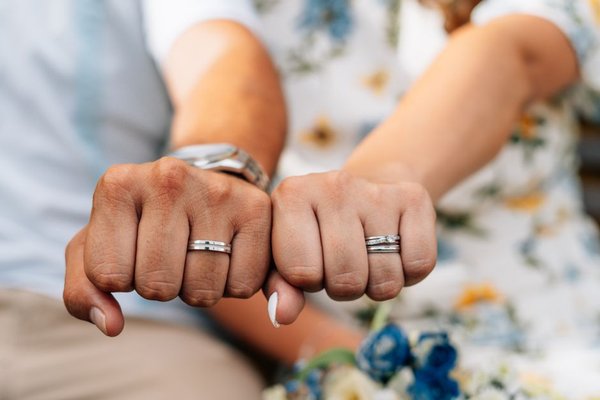

There is no universal dollar amount that makes an engagement ring “right.” The best budget is one that fits your finances, your partner’s preferences, and the life you are building together. That is a more useful starting point than the old idea that a ring should cost two or three months of salary.
Current spending data can provide context, but it should not become a target. The Knot’s 2025 Jewelry and Engagement Study reported an average engagement ring cost of about $4,600 in the United States. Some couples spend far less and others considerably more. Your own number should come from what you can comfortably afford.
Forget the Salary Rule and Start With Your Real Finances
The “two-month” or “three-month” salary rule is a marketing convention, not a personal finance standard. Income alone also tells an incomplete story. Two people earning the same salary can have very different debts, living costs, savings, and wedding plans.
A better ring spending guide starts with cash flow. Review your take-home pay, essential monthly expenses, minimum debt payments, existing savings, and near-term goals. The Consumer Financial Protection Bureau recommends looking at actual spending across several months so your budget reflects real life rather than an optimistic estimate.
Then ask how much you can set aside for a ring while still paying normal bills and making progress on important priorities. That amount matters more than a percentage of gross income.
Protect Your Emergency Savings First
An engagement is exciting, but a ring is a discretionary purchase. It generally should not leave you unable to handle a car repair, medical bill, job interruption, or other surprise expense.
Fidelity’s current general guidance suggests starting with at least $1,000 in emergency savings and gradually working toward three to six months of essential expenses. Your target may differ, but the principle is useful: avoid draining your financial cushion for jewelry.
If buying a $6,000 ring would reduce your savings from $8,000 to $2,000 while essential monthly expenses are $4,000, the purchase may leave you uncomfortably exposed. A $3,000 or $4,000 ring could still feel special while preserving more breathing room.
Build a Budget Around a Real Purchase Date
You do not need a rigid formula. Start with the amount already saved specifically for the ring. Add what you can realistically save each month before your preferred purchase date. Then subtract money that needs to remain available for emergencies, required debt payments, or major upcoming costs.
For example, suppose you already have $2,000 set aside and can save $500 per month for six months. That creates a potential $5,000 ring fund. If spending the full amount would conflict with moving costs or wedding deposits, you might cap the engagement ring price at $3,500 to $4,000 and keep the rest for those shared priorities.
This method creates a budget based on your household rather than borrowing someone else’s definition of affordability.
Let Debt Influence the Number
Not all debt is equal. A manageable fixed-rate student loan or mortgage is different from carrying a large revolving credit card balance at a high interest rate. If you are already paying expensive interest, financing a larger ring can compound the problem.
Before stretching for a higher engagement ring cost, compare the emotional benefit of the upgrade with the financial cost of carrying debt longer. Choosing a more modest ring and directing the difference toward high-interest balances may give you a stronger financial start.
If you finance a ring, read the terms carefully. Promotional offers may have deadlines, deferred interest provisions, or rates that become costly if the balance is not paid as expected. A manageable-looking monthly payment can still make the total purchase more expensive.
Decide Which Ring Features Matter Most
Budgeting does not mean settling for a ring you dislike. It means deciding which features deserve the money. Stone size, diamond type, cut quality, color, clarity, metal, setting, brand, and customization can all affect price.
Ask your partner, directly or indirectly, what matters most. Someone may care deeply about a particular shape but not about brand name. Another person may prefer a smaller natural diamond, a larger lab-grown diamond, a colored gemstone, or a detailed setting. Knowing those priorities can prevent you from paying for characteristics that add cost without adding meaningful value.
Before setting a final cap, it can help to compare engagement ring styles, learn about diamond shapes and cuts, and understand natural vs lab-grown diamonds. Those topics are useful next steps when researching the purchase.
Set a Maximum Before You Shop
Jewelry shopping can make it easy to move the budget upward in small steps. A ring priced a few hundred dollars above your target may seem harmless, but repeated upgrades can turn a comfortable purchase into a strain.
Set a maximum price before entering a store or filtering online. Include sales tax, resizing, engraving, insurance, and any setting or stone fees that may be separate. That gives you an all-in number rather than a sticker-price number.
You can also create three ranges: comfortable, stretch, and absolute maximum. For example, $2,500 might be comfortable, $3,200 acceptable for the perfect ring, and $3,500 the firm ceiling. This creates flexibility without losing control.
What If Your Budget Is Below the National Average?
There is nothing wrong with spending less than the average engagement ring budget. An average describes a group; it does not measure love, commitment, or financial responsibility. A thoughtfully chosen $1,500 ring that suits your partner can be a better purchase than a $5,000 ring that creates months of stress.
Price does not determine how personal a ring feels. Design details, sentimental stones, vintage pieces, alternative gemstones, and custom touches can create meaning without pushing the budget higher.
FAQ
How much should you spend on an engagement ring in the USA?
Spend an amount that fits your savings, debt, monthly cash flow, and near-term goals. National averages can provide context, but they should not dictate your budget.
Is the three-month salary rule still relevant?
No. It is not a recognized personal finance rule and does not account for debt, savings, living costs, or individual priorities. A budget based on your actual finances is more practical.
Is $2,000 enough for an engagement ring?
Yes. A $2,000 budget can offer many attractive options depending on the stone, setting, metal, retailer, and whether you consider lab-grown diamonds or alternative gemstones.
Should you go into debt for an engagement ring?
It is usually safer to avoid expensive debt for a discretionary purchase. If financing is used, make sure the payment and total cost fit comfortably within your budget and that you understand all interest terms.
Choose a Number You Can Feel Good About After the Proposal
The best engagement ring budget is not the highest amount you can technically qualify to spend. It is the amount that lets you celebrate without regretting the financial impact afterward. Protect essential savings, account for debt and upcoming goals, identify the ring features that matter most, and set a clear maximum before shopping. A ring should represent your commitment, not compete with the financial future you are building together.