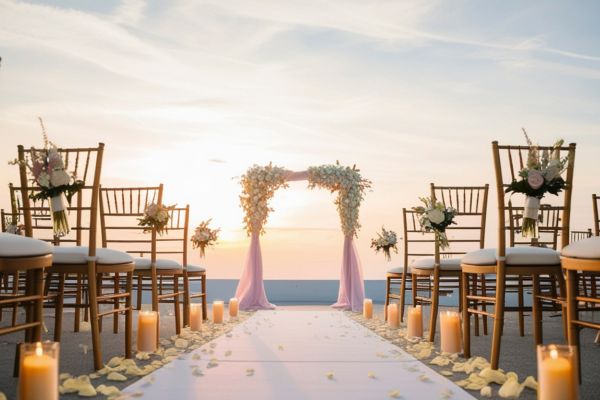

Weddings have always reflected the values, beliefs, and social norms of their time. Today, that reflection looks very different from what it did even twenty years ago. Modern couples are rewriting the rules, blending meaningful traditions with personal expression, cultural fluidity, and a strong desire for authenticity. The result is a wedding ceremony that feels less like a formal script and more like a genuine story unfolding in real time.
Modern wedding ceremony traditions aren’t about discarding the past entirely. Instead, they are about choosing what matters, reshaping what doesn’t, and creating moments that feel emotionally honest rather than performative. From how couples enter the ceremony to how they speak their vows, everything is being reimagined through a more personal lens.
A Shift Toward Personal Meaning
One of the defining features of modern wedding ceremonies is intentionality. Couples today tend to question why something exists before including it. If a ritual feels outdated or disconnected from their values, it’s often modified or removed altogether.
This shift has led to ceremonies that are shorter, more focused, and deeply personal. Rather than following a rigid structure, couples work with officiants to create a flow that reflects their relationship. Stories of how they met, challenges they’ve faced, and the life they’re building together are woven into the ceremony itself. Guests aren’t just observers anymore; they’re emotionally invested participants in a shared moment.
Redefining the Walk Down the Aisle
The traditional image of a bride being “given away” is one of the most visibly transformed elements of modern ceremonies. Many couples now see marriage as a partnership of equals rather than a transfer of responsibility.
As a result, aisle walks have taken on new forms. Some couples walk in together, symbolizing their joint decision to marry. Others choose to be escorted by both parents, siblings, or chosen family. In some ceremonies, there is no aisle walk at all, especially in circular or seated arrangements where everyone begins together.
These choices may seem small, but they carry powerful symbolic weight. They reflect autonomy, equality, and a modern understanding of partnership.
The Rise of Personalized Vows
Personal vows have become one of the most beloved modern wedding ceremony traditions. While traditional vows still hold meaning for many couples, others find them too impersonal or restrictive.
Writing vows allows couples to speak in their own voice, using language that reflects how they actually communicate. Some vows are poetic and emotional, others are humorous and grounded. Many include promises that go beyond romance, touching on friendship, support, and everyday life.
What makes modern vows especially compelling is their honesty. Couples acknowledge imperfections, past struggles, and the reality that marriage is not always easy. This openness resonates deeply with guests and often becomes the emotional centerpiece of the ceremony.
Ceremony Spaces Beyond Traditional Venues
Modern wedding ceremonies are no longer confined to places of worship or formal halls. While those settings remain meaningful for many, couples increasingly choose locations that reflect their lifestyle or shared experiences.
Outdoor ceremonies in gardens, forests, beaches, and private properties have become common. Urban rooftops, art galleries, and even family homes now serve as ceremony spaces. These locations often feel more relaxed and intimate, allowing couples to design ceremonies that feel less constrained by tradition.
The setting itself becomes part of the story, adding atmosphere and emotional context without needing elaborate decoration.
Blending Cultural and Spiritual Elements
As relationships become more multicultural and interfaith, modern ceremonies often blend traditions from different backgrounds. Instead of choosing one over the other, couples find creative ways to honor both.
This might mean incorporating multiple rituals, readings, or symbolic gestures into a single ceremony. It could also involve adapting traditional practices to feel more inclusive and relevant. The focus is less on strict adherence and more on shared meaning.
For couples who don’t identify strongly with any religion, spiritual elements are often reinterpreted in broader terms. Readings about love, commitment, or human connection replace formal prayers, creating a ceremony that feels meaningful without being prescriptive.
Guest Involvement as a Core Element
Another notable trend in modern wedding ceremony traditions is guest participation. Rather than sitting quietly through the ceremony, guests are invited to engage emotionally or symbolically.
Some ceremonies include moments of collective affirmation, where guests are asked to support the couple’s marriage in an informal, heartfelt way. Others incorporate group rituals, such as shared blessings or moments of reflection.
This approach reinforces the idea that marriage exists within a community, not in isolation. Guests leave feeling connected to the moment rather than simply having witnessed it.
A More Relaxed Ceremony Atmosphere
Modern wedding ceremonies often feel noticeably less formal than their traditional counterparts. This doesn’t mean they lack depth or significance. Instead, they feel more human.
Couples may laugh during the ceremony, acknowledge unexpected moments, or allow space for emotion without trying to control it. Officiants speak conversationally rather than ceremoniously. Music choices reflect personal taste rather than expectation.
This relaxed tone helps everyone feel at ease, allowing the ceremony to unfold naturally rather than feeling like a performance that must go exactly as planned.
Rethinking Symbolic Rituals
Classic wedding rituals haven’t disappeared, but many have been thoughtfully updated. Unity ceremonies, for example, have evolved far beyond the standard candle lighting.
Modern couples choose symbols that resonate with their lives, whether that’s blending materials, sharing a meaningful object, or creating something together during the ceremony. The ritual becomes less about tradition for tradition’s sake and more about creating a tangible representation of commitment.
Even ring exchanges have shifted, with some couples choosing alternative wording, non-traditional rings, or additional symbolic gestures that feel more personal.
Inclusivity and Representation at the Forefront
Modern wedding ceremony traditions are increasingly shaped by inclusivity. Couples are mindful of language, structure, and symbolism to ensure everyone feels seen and respected.
Gender-neutral terms, flexible roles, and non-traditional family structures are now common elements. Ceremonies are designed to reflect real relationships rather than outdated norms.
This inclusivity extends beyond the couple themselves, acknowledging chosen family, blended families, and diverse identities as integral parts of the celebration.
Technology as a Subtle Companion
While weddings are often about presence and connection, technology has found a quiet place in modern ceremonies. Livestreaming allows distant loved ones to be included. Digital programs replace printed ones. Personalized ceremony scripts are often shared afterward as keepsakes.
Technology is used thoughtfully, enhancing accessibility without overshadowing the emotional core of the ceremony.
A Reflection of Modern Love
At its heart, the evolution of wedding ceremonies mirrors how people understand love and commitment today. Marriage is no longer seen as a rigid institution with one correct form. It’s viewed as a partnership that looks different for every couple.
Modern wedding ceremony traditions celebrate that diversity. They allow couples to honor the past while fully embracing who they are now. The ceremony becomes a moment of truth, shaped by values, relationships, and shared experiences rather than obligation.
A Thoughtful Conclusion
Modern wedding ceremony traditions continue to evolve because love itself is always evolving. What remains constant is the desire for meaning, connection, and authenticity. Couples today aren’t rejecting tradition; they’re refining it, keeping what resonates and reshaping what doesn’t.
In doing so, they create ceremonies that feel deeply personal, emotionally rich, and reflective of real life. These modern approaches remind us that a wedding ceremony isn’t about following rules. It’s about telling a story that feels true, in a way that feels right, surrounded by people who matter.