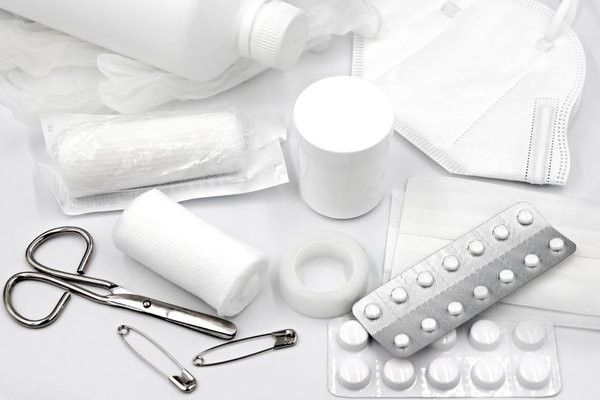

A perfectly planned wedding can still be interrupted by a loose button, a lipstick mark, a headache, a dead phone, or shoes that suddenly feel much less comfortable than they did at the fitting. A wedding emergency kit is not about expecting trouble. It is about keeping small, fixable problems from stealing time and attention from the day.
The best kit is compact, organised, and built around the people, outfits, venue, and schedule involved. Keep everything in one tote or clearly labelled case, and make sure at least one reliable person knows where it is.
Clothing and Outfit Fixes
Wardrobe problems are easy to prepare for. Pack a small sewing kit with needles, thread that matches the main outfits, safety pins, fashion tape, spare buttons, and mini scissors for loose threads. A lint roller is especially useful for dark suits and fabrics that attract dust or pet hair.
Add stain-removal wipes or a stain-removal pen, but use them carefully. Different fabrics react differently, so blot rather than rub and test any product on a hidden area when possible. For shoes, include blister plasters, gel cushions, and a backup pair of comfortable flats or trainers if the day involves long walks, grass, or hours of standing.
Beauty and Grooming Essentials
A useful bridal emergency kit checklist should cover quick touch-ups without recreating the entire getting-ready station. Include the lipstick or lip colour actually being worn, blotting papers or powder, tissues, cotton swabs, a compact mirror, bobby pins, hair ties, and a small comb or brush.
Travel-size hairspray can tame flyaways after outdoor photos. If false lashes are being worn, a small tube of lash adhesive can help if an edge lifts. Nail glue, a nail file, and clear polish can handle minor nail problems. Add breath mints and deodorant too; a wedding day emergency kit should be useful to more than one person.
First-Aid and Comfort Basics
Keep the first-aid section simple. Adhesive bandages, blister plasters, antiseptic wipes, hand sanitiser, menstrual products, and personal prescription medication are sensible additions. Any medicine should be used only according to its label and the individual’s usual medical guidance.
Think about the season as well. A small fan and extra water may matter at a hot outdoor ceremony, while a wrap or hand warmers can be more useful at a cold-weather event. The most effective wedding backup supplies are tailored to the real conditions rather than copied blindly from a generic list.
Food, Water, and Energy
Wedding mornings can become so busy that people forget to eat. Pack bottled water and a few tidy snacks such as crackers, cereal bars, dried fruit, or nuts if there are no allergy concerns. Avoid foods that are messy, strongly scented, or likely to melt onto clothing.
Place snacks where they can actually be reached. For example, if the couple has a long photo session between the ceremony and reception, keeping water and a simple snack in the transport bag can prevent an energy crash without disrupting the timeline.
Phones, Chargers, and Practical Backups
Phones may hold the day’s contacts, schedule, maps, payment apps, and supplier messages, so pack a charged power bank and the correct charging cables. If several people use different devices, include more than one cable type.
A pen, small notepad, spare contact lenses if normally worn, lens solution, a printed copy of essential phone numbers, and a little cash or a payment card held by a trusted person can also be useful. These simple items can solve problems quickly when Wi-Fi fails or a phone battery runs flat.
During the final week, compare the kit with your wedding planning checklist, wedding day timeline, and final week wedding tasks so your supplies match the actual schedule rather than a generic template.
How to Organise a Wedding Survival Kit
Do not throw everything into one deep bag. Group supplies into small pouches for clothing, beauty, first aid, food, and electronics. Clear labels make a big difference when someone needs fashion tape or a charger in seconds.
Assign responsibility before the wedding. The person carrying the kit should be nearby during the important parts of the day and should not be someone likely to disappear straight after the ceremony. A planner, attendant, sibling, or organised friend can work well. The couple should know who has it, but they should not need to manage it themselves.
What You Can Leave Out
More is not always better. Skip bulky items already available at the venue, products nobody knows how to use, and anything that could damage delicate clothing. Avoid strong cleaning chemicals, open food that can spill, or medication intended for general distribution. The goal is a small problem-solving kit, not a travelling supply cupboard.
Check venue and travel rules too. Scissors, aerosols, or certain adhesives may be restricted in some spaces or during air travel. For a destination wedding, divide the most important supplies between carry-on bags so one delayed suitcase does not remove every backup option.
Frequently Asked Questions
Who should carry the wedding emergency kit?
Choose one dependable person who will be nearby for most of the day, such as a planner, maid of honour, best person, sibling, or trusted friend. Make sure the wedding party knows who has it.
When should I pack it?
Assemble the kit during the final week, then check it one or two days before the wedding. Charge power banks, replace anything missing, and add personal items such as the exact lipstick shade, prescription medication, or spare contact lenses.
How big should the kit be?
For most weddings, a medium tote or structured cosmetic case is enough. If nobody wants to carry it, it is probably overpacked. Prioritise items that can realistically solve a problem within a few minutes.
Do the bride and groom need separate kits?
Usually not. One organised shared kit can cover clothing, grooming, comfort, and practical needs for the whole wedding party. Separate small pouches can keep personal items easy to find.
A Small Kit That Protects the Schedule
A thoughtful wedding emergency kit checklist is really a form of timeline protection. A stain wipe can prevent a trip back to the hotel, a charger can keep supplier contacts accessible, and blister plasters can make the difference between enjoying the reception and sitting out the dancing.
Pack for the wedding you are actually having: the outfits being worn, the weather, the venue surfaces, the travel involved, and the people who may need help. With a compact set of wedding backup supplies in the hands of someone dependable, most minor problems can stay exactly what they should be—minor.