
The sweetheart table is a small part of the reception floor plan, but it often becomes one of the room’s most photographed spots. It frames the couple during toasts, catches guests’ eyes as they enter, and gives newlyweds a place to sit together. Thoughtful wedding sweetheart table decor should feel romantic without becoming a wall of flowers, candles, or signage. The secret is to style the space as one complete scene: table, chairs, lighting, and what appears behind them.
Begin With the View From Across the Room
Before choosing decorations, stand where guests will enter and look toward the proposed sweetheart table. Can you see both seats clearly? Is the background attractive, or will photographs capture exit signs, service doors, or a busy buffet? A simple change in positioning can make more difference than an elaborate centerpiece.
Think about height in layers. Keep the central sightline between the couple and their guests open, add lower detail at the table edge, then use taller decoration behind or beside the chairs. This creates a focal point without hiding faces during speeches.
Choose Sweetheart Table Flowers That Frame, Not Crowd
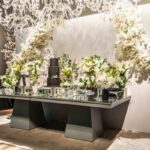
Flowers can establish the table’s shape and mood. A loose garden-style arrangement spilling gently from one corner suits an informal romantic reception, while a compact cluster of roses and seasonal greenery gives a more tailored finish. If the ceremony already has floral arrangements, ask the florist whether any can be safely repurposed rather than commissioning an entirely new installation.
Consider a low floral runner along the front edge, with some space left for plates, glasses, and hands. Flowers placed on the floor at each end can be equally effective, especially when the tabletop is narrow. Avoid arrangements so tall that guests cannot see the couple or photographers must shoot around stems.
Layer Candlelight Without Making Dinner Awkward
Candles lend intimacy to couple table decor because their glow changes as the reception moves from daylight to evening. Use varying heights, but cluster them toward the outer edges and away from sleeves, bouquets, and trailing fabric. Enclosed votives, hurricanes, or quality flameless candles are useful where open flames are restricted.
Check venue rules before purchasing real candles; some spaces require enclosed flames or prohibit them entirely. Warm, gentle lighting generally photographs more naturally than harsh colored uplighting aimed directly at the couple. If you use several small candles, leave sufficient room for serving staff to place dishes safely.
Make the Backdrop Part of the Composition
A backdrop defines the sweetheart table even when the table itself has minimal decoration. Draped fabric adds softness, greenery creates an organic frame, and a freestanding floral installation adds drama. A beautiful existing wall, arched window, or garden view may need no additional structure at all.
Personalized signs work best when they complement rather than compete with the scene. If you choose names, initials, or a short phrase, place the sign high enough to appear in wide photographs but not directly behind the couple’s heads. Ask the venue about attachment rules and ensure any freestanding frame is securely weighted.
Use Linens and Chairs to Give the Setting Character
Sweetheart table ideas often focus on what sits on top, yet the tablecloth and seating occupy much of the visual frame. Floor-length linen can soften a utilitarian banquet table. A textured runner or a restrained fabric swag gives movement, provided it does not interfere with guests’ feet or servers.
Choose chairs that feel special but still belong at the reception. Two upholstered chairs, elegant wooden seats, or a shared settee can all work. Test the seat height against the table before committing; a lovely vintage sofa is less charming when the couple must lean forward to eat.
Connect the Couple’s Table to the Wedding Design
As a wedding head table alternative, a sweetheart table can be distinctive without looking disconnected from the guest tables. Repeat one or two design elements, such as the same flower variety, metal finish, or linen color, then use a fuller arrangement or a unique backdrop to set the couple’s area apart.
For example, a reception with sage napkins, cream flowers, and brass accents might feature cream sweetheart table flowers, a few brass candleholders, and a soft sage drape. That is enough repetition to make the display cohesive; matching every detail would feel overly staged. For broader inspiration, explore romantic wedding color palettes and wedding reception lighting ideas.
Plan for the Actual Reception, Not Just the Photograph
Allow room for two place settings, water, toasting glasses, and meals. Confirm that guests can approach for congratulations without stepping over floor arrangements. If the table sits near a dance floor, keep loose fabrics and breakable objects out of traffic paths.
One useful test is to ask someone to sit in both chairs while another person takes a photo from the guest seating area. Check whether flowers block either face, the backdrop appears centered, and the table edge looks balanced. This ten-minute rehearsal can prevent expensive last-minute adjustments.
Three Romantic Looks to Adapt
Soft Garden Romance
Pair an ivory linen with loosely arranged seasonal blooms, foliage, and a few enclosed candles. An asymmetrical floral accent behind one chair keeps the scene relaxed rather than perfectly mirrored.
Modern Minimal Romance
Use a clean-lined table, two sculptural arrangements, and matching warm-toned candle vessels. Let a beautiful architectural background do most of the work; skip signage if it adds visual clutter.
Evening Glow
Layer flameless votives across the front, use softly gathered fabric behind the chairs, and concentrate flowers at the base of the display. Test the lighting after sunset, not only during daytime setup.
Frequently Asked Questions
What should go on a wedding sweetheart table?
Start with comfortable seating and practical dinner space. Add a modest floral arrangement, candles or other soft lighting, and linens that suit the reception. A backdrop is optional, particularly if the existing surroundings are attractive.
How do you decorate a small sweetheart table?
Keep the tabletop mostly clear. Put flowers at one end or on the floor, select slim candleholders, and create height behind the chairs instead of in front of the couple. A restrained arrangement usually photographs better than crowded styling.
Does a sweetheart table need a backdrop?
No. A window, garden, textured wall, or architectural feature can provide a naturally beautiful background. Add draping or an installation only if it improves the setting and complies with venue requirements.
How is a sweetheart table different from a head table?
A sweetheart table seats just the couple, while a traditional head table typically includes wedding-party members. It gives the newlyweds a dedicated spot and leaves attendants free to sit with their chosen guests.
Bring the Whole Scene Together
The most memorable wedding sweetheart table decor balances atmosphere with ease. Choose one feature to lead—flowers, candlelight, or the backdrop—and let everything else support it. When the couple can dine comfortably, greet guests, and be seen clearly from across the room, the setting has done its job. For finishing touches elsewhere in the space, look to wedding floral centerpiece ideas without feeling obliged to duplicate the sweetheart table.