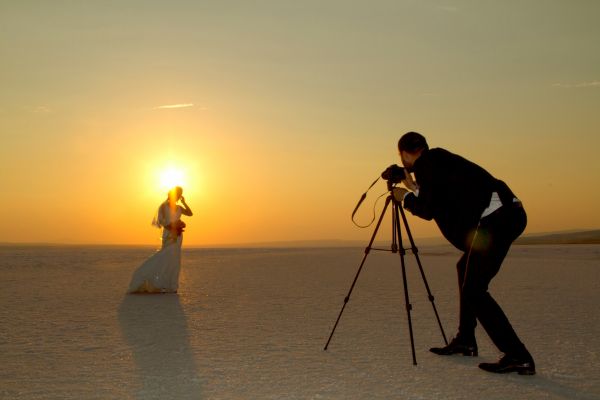

Wedding videography looks glamorous from the outside. Beautiful couples, emotional vows, elegant venues, dancing, golden-hour portraits, and cinematic highlights can make the work appear effortless. Anyone who has filmed a real wedding knows otherwise. It is one of the most demanding forms of event filmmaking.
There are no retakes for key moments. Timelines shift constantly. Lighting changes by the hour. Family dynamics can be unpredictable. Audio conditions are rarely perfect. Important moments happen quickly and often simultaneously.
That is why learning the top wedding videography mistakes to avoid can save filmmakers from stress, missed moments, and disappointing final films. Great wedding coverage is usually less about flashy gear and more about preparation, awareness, and calm decision-making under pressure.
Arriving Unprepared for the Schedule
One of the most common mistakes happens before filming begins: not understanding the timeline.
If a videographer arrives without knowing preparation addresses, ceremony start time, travel gaps, sunset timing, speech order, or special traditions, the day quickly becomes reactive. Valuable moments are missed while scrambling for information.
Request a clear timeline in advance, then expect it to change slightly. Speak with the planner, photographer, or couple if possible. Build buffer time for travel and delays.
Preparation creates freedom. Confusion creates rushed decisions.
Ignoring Audio Quality
Beautiful visuals cannot rescue poor sound. Yet many beginners focus almost entirely on cameras and forget that vows, speeches, laughter, and ambient emotion often carry the heart of the film.
Badly placed microphones, dead batteries, distorted recorders, or relying only on on-camera audio can ruin irreplaceable moments.
Among the top wedding videography mistakes to avoid, neglecting audio sits near the top. Use backups. Monitor levels when possible. Record vows, officiants, speeches, and room sound separately whenever practical.
People forgive occasional shaky footage faster than inaudible vows.
Overshooting Without Purpose
Some filmmakers record everything endlessly, assuming more footage automatically means better films. In reality, overshooting can create disorganized editing, wasted storage, and mental fatigue.
Not every second needs recording. Strong coverage means capturing meaningful moments, useful transitions, reactions, details, and story beats intentionally.
Film with awareness rather than panic.
When shooters become selective, they often become better observers.
Missing Reactions While Chasing Main Action
Many new videographers point cameras only at the obvious subject. During vows they film the speaker but miss the partner’s face. During speeches they film the speaker but miss parents crying or friends laughing.
Reactions are often where emotion lives.
Train yourself to think in pairs: action and response. Ring exchange and tearful parent. Toast and couple laughter. First dance and guests watching softly from the edge.
Storytelling becomes richer when both sides of moments are captured.
Poor Battery and Memory Management
Technical failures are especially painful at weddings because moments cannot be repeated.
Running out of battery during the ceremony or filling memory cards before speeches is preventable but surprisingly common. Stress, long days, and constant movement make organization essential.
Carry charged spares, label used cards, rotate batteries intelligently, and check remaining space regularly.
Simple habits prevent expensive regrets.
Forgetting to Coordinate with the Photographer
Photographers and videographers often work side by side, yet some teams fail to communicate. This can lead to blocked shots, duplicated direction, awkward positioning, or visible frustration.
Introduce yourself early. Discuss ceremony positions, portrait flow, flash use, and key moments. Cooperation helps both vendors serve the couple better.
The wedding is not a competition for angles.
Among the top wedding videography mistakes to avoid, treating fellow creatives as obstacles is unnecessary and damaging.
Overusing Slow Motion and Effects
Slow motion can be beautiful when used intentionally. Used constantly, it becomes tiring and emotionally flat. The same applies to dramatic transitions, excessive color grading, speed ramps, and trendy effects.
If every clip feels cinematic, none of them do.
Use style to support story. Let normal-speed laughter remain natural. Let real-time dancing feel energetic. Save emphasis techniques for moments that truly benefit.
Tasteful restraint ages better than trend-heavy editing.
Ignoring Lighting Conditions
Wedding days move through many lighting environments: dim hotel rooms, harsh midday sun, mixed indoor lighting, candles, dance floors, and nighttime exits.
Filmmakers who do not adapt settings quickly risk noisy footage, blown highlights, color problems, or missed moments.
Learn to expose confidently, adjust white balance thoughtfully, and work with available light rather than fighting every scene.
Sometimes moving a subject one meter toward a window changes everything.
Being Too Intrusive
A wedding film should capture moments, not constantly create discomfort.
Standing inches from crying parents, interrupting intimate conversations, blocking guests during vows, or over-directing emotional scenes can make the day feel like a production set.
Presence matters, but sensitivity matters more.
Strong videographers know when to guide gently and when to disappear into the background.
Underestimating Data Backup
After filming, the job is not over. Losing footage through poor backup habits is one of the most devastating errors possible.
Copy files immediately to multiple drives. Verify transfers. Keep original cards untouched until backups are secure. Maintain organized folder systems.
The footage is irreplaceable. Treat storage as seriously as shooting.
Weak Story Structure in Editing
Some wedding films become random montages of pretty clips with no emotional progression. Beautiful shots alone rarely sustain attention.
Editing should shape a journey: anticipation, preparation, ceremony, celebration, quiet moments, connection, closure. Audio from vows or speeches can help bind scenes together.
The viewer should feel something unfolding, not just clips passing by.
This is one of the deeper top wedding videography mistakes to avoid because it appears only later in post-production.
Neglecting Small Details
Rings, invitations, heirlooms, dress textures, table setups, empty ceremony spaces, hands adjusting ties, children fidgeting—small details often become essential editing material.
They create transitions, establish atmosphere, and preserve things couples spent time choosing.
If you only chase major moments, films may feel rushed and visually repetitive.
Letting Stress Affect Behavior
Weddings move quickly, and problems happen. Timelines run late. Rain appears. Family members disappear before portraits. DJs start speeches suddenly.
How a videographer responds matters greatly. Visible frustration, panic, or blame damages trust and can affect the whole atmosphere.
Stay calm. Solve quietly. Adapt.
Professionalism often matters most when conditions are imperfect.
Forgetting the Couple’s Perspective
Filmmakers sometimes become consumed by gear, trends, or social media portfolios and forget why they are there.
The film is not primarily for other videographers. It is for two people and their families. They care about loved ones, voices, expressions, relationships, and memory.
Technical excellence matters, but emotional relevance matters more.
Conclusion
Learning the top wedding videography mistakes to avoid is really about understanding priorities. Prepare thoroughly, protect audio, manage gear responsibly, collaborate well, adapt to light, and tell a story grounded in human moments rather than effects. Weddings offer no second takes, which makes awareness and discipline invaluable.
The best wedding films rarely come from perfection. They come from calm professionals who notice what matters, respond well under pressure, and remember that behind every timeline is a once-in-a-lifetime day.