
Why the Right Questions Matter Before Booking
Choosing a wedding DJ may sound simple at first. You find someone with music equipment, check the price, and book the date. But once the wedding day begins, the DJ becomes one of the most important people in the room. They shape the mood, guide transitions, manage announcements, and often help carry the energy of the entire celebration. That is why preparing the right questions for wedding DJs is such an important part of planning.
A wedding is not just a party with a playlist. It has quiet moments, emotional moments, formal moments, and lively moments that all need different music and timing. The ceremony entrance feels very different from the first dance. Dinner needs a different tone from the late-night dance floor. A good DJ understands these shifts and knows how to move through them without making the event feel awkward or forced.
Asking thoughtful questions helps couples understand whether a DJ is experienced, organized, flexible, and suited to their wedding style. It also prevents misunderstandings about pricing, equipment, timing, song choices, and expectations. The conversation does not need to feel like an interview, but it should give both sides a clear picture of the day.
Asking About Wedding Experience
One of the first things couples should discuss is wedding experience. DJing a wedding is different from playing music at a club, birthday party, or casual event. Weddings have timelines, formal announcements, family dynamics, vendor coordination, and emotional moments that need care.
A DJ with wedding experience will usually know how to handle ceremony music, grand entrances, speeches, dinner music, cake cutting, first dances, parent dances, and the final song. They will also understand that timing matters. If the music starts too early, too late, or at the wrong volume, the moment can feel off.
Couples can ask how many weddings the DJ has worked on, what types of venues they are used to, and whether they have handled weddings similar in size or style. A large ballroom wedding needs a different approach from an intimate backyard celebration. A multicultural wedding may require a wider music range and more careful planning. An outdoor wedding may bring sound, power, and weather considerations.
The goal is not to find someone who has done the exact same wedding before. It is to find someone who can adapt, stay calm, and understand the rhythm of a wedding day.
Understanding Their Music Style
Every DJ has a style, even if they are flexible. Some are high-energy entertainers who like to speak often and interact with the crowd. Others are more understated and let the music do most of the work. Some specialize in modern hits, while others are especially good with classic wedding songs, cultural music, retro favorites, or mixed-generation playlists.
This is why music style should be discussed early. Couples should ask how the DJ builds a playlist, how they take song preferences, and how they balance the couple’s taste with the guests’ energy. A good DJ should not simply play their own favorite songs. They should create a soundtrack that fits the couple, the crowd, and the flow of the evening.
It is also helpful to talk about must-play and do-not-play songs. Some couples have songs that carry personal meaning. Others have songs they truly dislike, even if they are popular at weddings. Sharing these details prevents uncomfortable surprises on the day.
The best DJs are usually confident without being rigid. They listen carefully, offer suggestions when needed, and know how to keep the dance floor moving without ignoring the couple’s preferences.
Discussing the Wedding Timeline
A wedding DJ needs to understand the timeline clearly. Music is tied to almost every major moment, from guest arrival to the last dance. If the DJ does not know when things are happening, the day can feel disorganized.
Couples should ask how the DJ helps with timeline planning. Some DJs only handle music, while others assist with announcements and transitions. If there is no wedding planner, the DJ may become one of the key people keeping the reception moving. That makes communication even more important.
The timeline should include the ceremony start, cocktail hour, reception entrance, dinner, speeches, first dance, parent dances, cake cutting, bouquet toss if included, open dancing, and the final exit. Even if the schedule changes slightly, having a plan gives everyone a starting point.
A good DJ will also understand the need for flexibility. Weddings rarely run exactly on time. Hair and makeup may take longer. Photos may run late. Guests may take time to move between spaces. The DJ should be able to adjust without panic and keep the atmosphere comfortable.
Clarifying Emcee Duties
Not every DJ is automatically an emcee, and not every couple wants the same level of speaking. Some weddings need formal announcements throughout the evening. Others only require a few simple introductions. Before booking, couples should ask whether emcee services are included and what that style sounds like.
This matters because the DJ’s voice may guide guests through the event. They may introduce the couple, announce dinner, invite people to the dance floor, introduce speeches, or manage special moments. A warm, clear, and calm speaking style can make the evening feel smooth. A loud or overly theatrical style may not suit every couple.
Couples should be honest about what they prefer. If they want minimal talking, they should say so. If they want someone lively who can encourage guests to dance, that should be clear too. The right fit depends on the wedding atmosphere.
It may also help to ask whether the DJ coordinates announcements with the planner, venue manager, photographer, or catering team. Good communication between vendors can prevent rushed moments and missed photo opportunities.
Asking About Equipment and Sound Quality
Sound quality may not seem exciting during planning, but guests will notice it immediately. Clear ceremony music, working microphones, balanced dinner sound, and strong dance floor audio all depend on proper equipment.
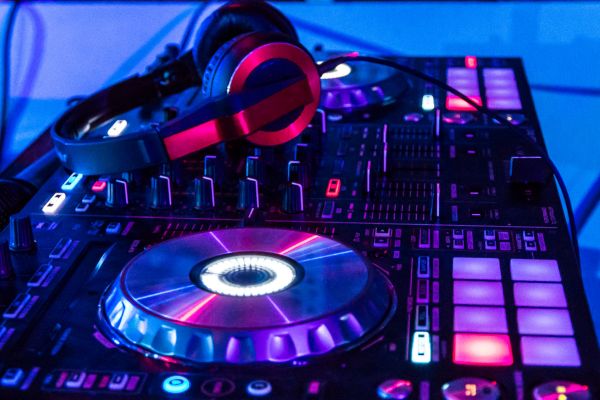
Couples should ask what equipment the DJ provides, including speakers, microphones, mixer, laptop or controller, lighting if included, and backup gear. Backup equipment is especially important. Technology can fail, and a professional should have a plan.
For larger venues or outdoor spaces, the DJ should know whether extra speakers or separate sound setups are needed. Ceremony areas and reception areas may be far apart. In that case, one setup might not be enough unless there is time to move equipment safely.
Microphones are another key detail. Speeches, vows, readings, and announcements all need reliable sound. A beautiful speech can lose its impact if guests cannot hear it properly. Asking about microphone options helps avoid that problem.
Understanding Pricing and Packages
Price is always part of the conversation, but it should be understood in context. Two DJs may quote different prices because they include different services. One may include ceremony sound, lighting, setup, travel, planning meetings, and emcee duties. Another may charge extra for each of those things.
Couples should ask what is included in the package, how many hours are covered, when overtime begins, and whether travel or setup fees apply. They should also ask about deposits, payment deadlines, cancellation terms, and refund policies. These details may feel less exciting than music choices, but they protect both the couple and the DJ.
It is also wise to ask whether the package matches the actual wedding needs. A couple with a small reception may not need a large lighting setup. A couple planning a full-day celebration may need more coverage than a basic package offers.
The goal is not always to choose the cheapest option. It is to choose the option that offers the right value, clear terms, and enough support for the wedding day.
Talking About Song Requests
Guest song requests can be fun, but they can also change the mood quickly if not managed well. Some couples love the idea of guests requesting songs. Others worry that random requests may interrupt the flow of the evening.
This is one of the most useful questions for wedding DJs because every DJ handles requests differently. Some take requests freely. Some check with the couple’s do-not-play list first. Some only accept requests that fit the mood of the dance floor. There is no single correct method, but the couple should know what to expect.
A skilled DJ can usually filter requests politely. If a song does not fit the moment, they may save it for later or skip it without making the guest feel dismissed. This kind of judgment is part of what separates an experienced wedding DJ from someone simply playing tracks.
Couples should also decide how much control they want. A few must-play songs and a few banned songs are usually helpful. A full minute-by-minute playlist may make it harder for the DJ to read the room.
Planning for Special Songs and Moments
Every wedding has a few musical moments that need extra care. The ceremony entrance, first dance, parent dances, couple entrance, cake cutting, and final song can all carry emotional weight. These songs should be confirmed clearly before the wedding day.
Couples should ask how the DJ collects these selections and by what deadline they need them. They should also confirm song versions. A live version, acoustic version, remix, or clean edit can create a completely different feeling. The wrong version at the wrong moment can be frustrating, even if the mistake is small.
For cultural or religious music, it is especially important to check whether the DJ is comfortable sourcing and playing the correct tracks. If specific traditions are included, the DJ should understand the timing and mood of those moments.
Special songs do not need to be dramatic to be meaningful. Sometimes a quiet family favorite or an old song from early in the relationship becomes one of the most memorable parts of the evening.
Checking Backup Plans
A wedding day leaves very little room for technical mistakes. This is why backup planning should be part of the conversation. Couples should ask what happens if equipment fails, if the DJ becomes ill, if traffic delays occur, or if the venue has unexpected restrictions.
Professional DJs usually have backup systems, replacement options, or emergency plans. They may carry extra cables, an additional laptop, backup music files, spare microphones, or a network of other DJs who can step in if needed. These details may never be used, but knowing they exist brings peace of mind.
Outdoor weddings need even more planning. Power access, rain protection, heat, wind, and uneven ground can all affect the setup. The DJ should be willing to discuss these details with the venue before the wedding day.
A calm backup plan is not about expecting problems. It is about respecting the importance of the day.
Reading Reviews and Trusting the Conversation
Reviews, videos, and recommendations can help couples narrow their options, but the personal conversation still matters. A DJ may have excellent reviews and still not be the right personality fit for a particular wedding.
Couples should pay attention to how the DJ communicates. Do they answer clearly? Do they listen? Do they ask about the couple’s preferences? Do they seem organized? Do they explain pricing without confusion? These small signs often reveal how they will behave closer to the wedding.
It is also helpful to notice whether the DJ talks only about equipment and packages or whether they ask about the couple, the guests, and the feeling of the day. Weddings are personal events. A good DJ understands that the music should support the experience, not overpower it.
Trust grows through clear communication. When couples feel comfortable asking questions, sharing ideas, and setting expectations, the planning process becomes much easier.
Conclusion
Preparing thoughtful questions for wedding DJs helps couples make a confident and informed choice. The right DJ is not only someone with speakers and songs. They are someone who understands timing, mood, sound, communication, and the emotional rhythm of a wedding day.
By asking about experience, music style, equipment, pricing, requests, timelines, and backup plans, couples can avoid confusion and find someone who truly fits their celebration. A wedding DJ helps create the soundtrack for moments people may remember for years. When the right questions are asked early, the music has a much better chance of feeling natural, personal, and beautifully timed from beginning to end.