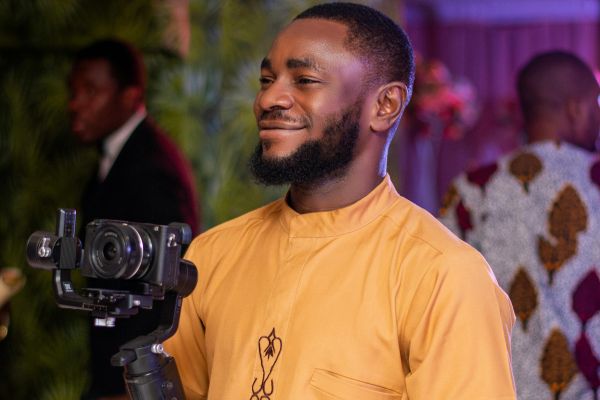

There’s something quietly powerful about a wedding film that feels less like documentation and more like storytelling. The kind that lingers. The kind that doesn’t just show what happened but lets you feel it again—years later, in a completely different season of life. That’s the heart of cinematic wedding videography.
If you’ve ever watched a wedding film that gave you chills, you’ve already seen what thoughtful filmmaking can do. It’s not about expensive gear or dramatic edits alone. It’s about intention, timing, and a deep sensitivity to moments as they unfold. These cinematic wedding videography tips are meant to help you shape something meaningful, something that feels real and timeless.
Understanding What “Cinematic” Really Means
Before diving into techniques, it’s worth stepping back and asking what “cinematic” actually implies. It’s a word that gets thrown around a lot, sometimes reduced to slow motion clips and moody color grading. But cinematic storytelling goes deeper than that.
At its core, cinematic wedding videography is about narrative. It’s about creating a visual story with rhythm, emotion, and purpose. Think of it as filmmaking first, event coverage second. The way you frame a shot, the way you transition between moments, even the silence you allow between scenes—all of it contributes to a cohesive story.
When you approach a wedding with this mindset, your role shifts. You’re no longer just capturing what happens. You’re interpreting it.
Finding the Story Within the Day
Every wedding has its own emotional arc, even if it isn’t immediately obvious. There’s anticipation in the morning, a kind of nervous excitement. There’s intimacy in quiet exchanges. Then, a shift into celebration as the day unfolds.
One of the most valuable cinematic wedding videography tips is to look beyond the obvious moments. Yes, the vows and the first dance matter. But so do the pauses in between—the way someone adjusts their cufflinks, a parent watching from a distance, laughter that erupts unexpectedly.
These are the details that give your film texture. They make it feel lived-in rather than staged.
Try to observe more than you direct. Let the story reveal itself rather than forcing it into a template.
Mastering Natural Light and Atmosphere
Lighting plays a huge role in creating a cinematic look, but it doesn’t always mean bringing in artificial setups. In fact, some of the most compelling wedding films rely heavily on natural light.
Pay attention to how light moves throughout the day. Early morning light tends to be soft and forgiving, while late afternoon—often called golden hour—adds warmth and depth that’s hard to replicate. Indoor spaces can be trickier, but they also offer opportunities for contrast and mood.
Instead of fighting the environment, work with it. Position your subjects near windows. Embrace shadows rather than eliminating them entirely. A slightly imperfect frame with beautiful light often feels more cinematic than a perfectly lit but lifeless shot.
Atmosphere matters too. Fog, rain, wind—these elements can add a layer of drama that elevates your visuals when handled thoughtfully.
Using Camera Movement With Purpose
Movement is one of the defining characteristics of cinematic videography, but it’s easy to overdo it. Not every shot needs to glide, pan, or orbit. In fact, too much movement can feel distracting.
The key is intention.
When you move the camera, ask yourself why. Is it revealing something? Following a subject? Creating a sense of immersion?
Slow, deliberate movements tend to feel more cinematic. A gentle push-in during an emotional moment can draw viewers closer. A subtle handheld shot might add intimacy, especially during candid interactions.
Stability also matters. Whether you’re using a gimbal, tripod, or handheld technique, your movement should feel controlled, even when it’s imperfect.
Paying Attention to Audio as Much as Visuals
It’s easy to get caught up in visuals and forget that sound is half the experience. In cinematic wedding films, audio often carries the emotional weight.
Vows, speeches, quiet conversations—these moments anchor your story. They provide context and depth that visuals alone can’t always achieve.
Good audio doesn’t just happen by accident. It requires planning. Use lavalier microphones when possible. Position recorders strategically. Be mindful of background noise.
And then there’s music. Choosing the right track isn’t just about finding something beautiful. It’s about finding something that fits the tone of the story you’re telling. The pacing of your edit often follows the rhythm of the music, so it becomes a guiding force throughout the film.
Embracing Slow Motion Without Relying on It
Slow motion is often associated with cinematic wedding videography, and for good reason. It can highlight emotion, add elegance, and give viewers time to absorb a moment.
But like any tool, it works best when used sparingly.
Not every clip needs to be slowed down. In fact, overusing slow motion can dilute its impact. Instead, reserve it for moments that benefit from a sense of stillness or emphasis—like a glance, a laugh, or a fleeting gesture.
Mixing real-time footage with slow motion creates contrast, which helps maintain engagement and rhythm in your film.
Composing Shots With Intention
Composition is one of those subtle elements that quietly shapes how a viewer experiences your film. Even without noticing it consciously, people respond to balanced, well-framed shots.
Think about leading lines, symmetry, and depth. Use foreground elements to add layers. Frame your subjects in a way that feels natural rather than forced.
And don’t be afraid to break rules occasionally. Sometimes an off-center composition or an unconventional angle can feel more authentic and cinematic than a technically perfect frame.
The goal isn’t perfection. It’s feeling.
Building a Natural Editing Flow
Editing is where everything comes together. It’s where your footage transforms into a story.
One of the most effective cinematic wedding videography tips is to focus on flow rather than just sequence. Instead of simply arranging clips in chronological order, think about how each moment connects emotionally.
Transitions should feel seamless, almost invisible. Hard cuts can work, but often a gentle overlap or a well-timed cut on motion creates a smoother experience.
Pacing matters too. Not every moment needs to be fast or slow. Let the rhythm change naturally, mirroring the energy of the day.
Sometimes, leaving space—letting a shot linger for a second longer than expected—can make a scene more powerful.
Capturing Authentic Emotion
At the heart of every cinematic wedding film is emotion. Without it, even the most technically impressive footage can feel empty.
The challenge is capturing emotion without interfering with it.
This often means blending into the background. Being present, but not intrusive. Allowing people to forget the camera is there.
When people feel comfortable, they behave naturally. And that’s when the most genuine moments happen.
It’s not always about the big expressions of emotion either. Sometimes it’s the quiet, understated moments that resonate the most.
Preparing Without Overplanning
Preparation is important, but so is flexibility.
It helps to know the schedule, scout locations, and anticipate key moments. But weddings rarely go exactly as planned. Timelines shift. Weather changes. Emotions run high.
The ability to adapt is what sets strong filmmakers apart.
Have a plan, but don’t cling to it too tightly. Stay open to what unfolds in front of you. Some of the best moments are the ones you didn’t see coming.
Developing Your Own Visual Style
It’s tempting to emulate styles you admire, especially when starting out. And there’s nothing wrong with learning from others. But over time, your goal should be to develop your own voice.
Your style is shaped by your choices—how you frame shots, how you edit, how you interpret moments. It evolves naturally as you gain experience.
Instead of trying to replicate a specific look, focus on what feels right to you. What kind of stories do you want to tell? What emotions do you want your films to evoke?
That clarity will guide your creative decisions in a way that feels authentic.
Conclusion: Let the Story Lead
Cinematic wedding videography isn’t about following a checklist or applying a formula. It’s about seeing a wedding not just as an event, but as a collection of stories waiting to be told.
The most meaningful films come from a place of observation, patience, and genuine curiosity about people. When you let the story lead—when you pay attention to the small, human details—everything else starts to fall into place.
These cinematic wedding videography tips are less about rules and more about perspective. If you approach each wedding with intention and openness, you’ll naturally create something that feels cinematic, not because it looks like a film, but because it feels like one.