
Wedding cakes have changed dramatically over the past decade. What was once a fairly predictable dessert—usually layered sponge cake covered in thick fondant—has evolved into something far more thoughtful and personal. Couples now pay closer attention not only to flavor and design, but also to ingredients, dietary preferences, and how guests actually experience the dessert itself.
Among the biggest shifts has been the growing popularity of vegan and gluten-free wedding cakes. What began as a niche request for a small number of guests has become a genuine part of modern wedding culture. Some couples choose these cakes because of dietary restrictions, others because of ethical or environmental values, and many simply because they enjoy the flavors and textures now possible with modern baking techniques.
The conversation around vegan and gluten-free wedding cakes has also changed in tone. Years ago, these cakes were often treated like “alternative” desserts that guests politely tolerated. Today, well-made versions can rival traditional cakes in flavor, texture, and appearance so closely that many guests never even realize they are eating a vegan or gluten-free dessert.
That transformation says a lot about how baking itself has evolved.
Why Couples Are Choosing Alternative Wedding Cakes
Wedding menus have become far more inclusive in recent years. Couples are increasingly aware that guests arrive with a wide range of dietary needs and preferences, from gluten sensitivities to dairy intolerance to plant-based lifestyles.
At the same time, modern weddings often feel more personal overall. Couples want the food they serve to reflect their own habits, values, and tastes rather than simply following old traditions.
For some, choosing a vegan cake feels natural because they already live that way daily. For others, gluten-free cakes are essential because a close family member or the couple themselves cannot safely eat traditional wheat-based desserts.
There’s also a broader cultural shift happening around food quality. Many people now prefer lighter desserts made with fresh ingredients and balanced sweetness instead of extremely dense cakes covered in heavy icing.
Interestingly, guests themselves have become more open-minded too. Ten years ago, some people might have approached a vegan wedding cake with skepticism. Today, curiosity often replaces hesitation.
Much of that change comes down to improved baking methods and ingredient quality.
The Challenge of Baking Without Eggs and Gluten
Traditional cakes rely heavily on eggs, butter, and wheat flour for structure and texture. Removing one of those elements changes the chemistry of baking entirely. Removing all of them at once creates an even greater challenge.
Eggs help bind ingredients together while adding moisture and lift. Gluten provides elasticity and structure, giving cakes their soft but stable texture. Without those components, cakes can easily become dry, crumbly, or dense if not carefully balanced.
That’s why vegan and gluten-free wedding cakes require far more precision than many people realize.
Modern bakers often combine alternative flours like almond flour, oat flour, rice flour, or tapioca starch to recreate texture. Plant-based ingredients such as applesauce, flaxseed mixtures, aquafaba, or dairy-free yogurt help replace the moisture and binding qualities of eggs.
The process involves much more than swapping ingredients directly. Recipes must be built differently from the ground up.
The good news is that skilled bakers have become remarkably creative. The best vegan and gluten-free cakes no longer feel like substitutes for something “normal.” They stand comfortably on their own.
Flavor Has Become the Main Focus
One of the biggest misconceptions about vegan and gluten-free wedding cakes is that they sacrifice flavor for dietary accommodation. In reality, flavor has become one of the strongest reasons people choose them.
Because alternative baking often relies on ingredients like almond flour, coconut milk, citrus, spices, nuts, berries, or dark chocolate, the cakes frequently develop richer and more distinct flavor profiles than traditional sponge cakes.
Lemon and raspberry combinations remain especially popular because they create freshness without relying on heavy buttercream. Chocolate cakes made with oat milk or coconut cream often develop deep, velvety textures that feel surprisingly luxurious.
Vanilla bean cakes continue to work beautifully as well, especially when paired with fruit fillings or whipped dairy-free frostings made from cashews or coconut cream.
Some couples lean toward naturally gluten-free ingredients entirely. Flourless chocolate cakes, almond cakes, and pistachio-based layers have become increasingly common at weddings because they feel elegant rather than restrictive.
The best wedding desserts today are often the ones guests remember because they tasted genuinely good—not because they happened to fit a dietary category.
Texture Matters More Than People Expect
Flavor may attract attention first, but texture often determines whether guests truly enjoy the cake.
Early vegan and gluten-free cakes developed a reputation for being dry or overly dense. Some crumbled too easily, while others became gummy or heavy. Those issues still happen occasionally, but experienced bakers now understand how to create far more balanced textures.
Moisture control is especially important. Alternative flours absorb liquid differently than wheat flour, which means recipes require careful calibration.
Many modern vegan and gluten-free wedding cakes are intentionally softer and slightly more delicate than traditional cakes. Rather than fighting against those natural qualities, bakers often embrace them.
Whipped fillings, fruit compotes, mousse layers, and lighter frostings help create balance and prevent heaviness.
Interestingly, guests rarely complain when texture feels intentionally soft and fresh. Problems usually arise only when cakes attempt to imitate traditional sponge exactly and fall short.
The most successful cakes tend to work with their ingredients instead of pretending they are something else entirely.
Design Possibilities Have Expanded Dramatically
At one point, dietary-friendly cakes were often simpler because structural limitations made elaborate decoration difficult. That has changed considerably.
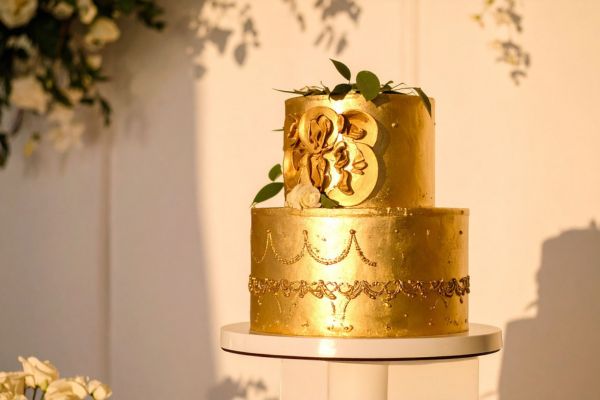
Today, vegan and gluten-free wedding cakes can be just as visually striking as traditional cakes. Smooth buttercream finishes, floral decorations, textured frosting styles, painted details, and elegant tiered designs are all widely possible.
Fondant is still used occasionally, though many couples now prefer softer, less formal finishes regardless of dietary style. Semi-naked cakes, natural floral arrangements, fruit decorations, and minimalist designs remain especially popular because they suit the lighter feel of many modern wedding desserts.
Structural stability still matters, particularly for multi-tiered cakes. Some gluten-free sponge layers are naturally more fragile, requiring careful internal support and transportation planning.
Experienced wedding bakers adapt designs thoughtfully based on the ingredients involved rather than forcing unsuitable techniques onto delicate cakes.
The visual gap between traditional and alternative cakes has become remarkably small.
Guests Often Don’t Realize the Difference
One of the most interesting things about modern vegan and gluten-free wedding cakes is how little attention they sometimes attract.
Not because they are forgettable, but because guests simply enjoy them without questioning the ingredients.
Many couples intentionally avoid making a dramatic announcement about the cake being vegan or gluten-free. Instead, they allow guests to experience it naturally. Reactions are often surprisingly positive once people realize the dessert tastes fresh, balanced, and satisfying.
There’s a subtle shift happening here. Dietary accommodations are becoming integrated into wedding planning rather than treated as separate or unusual.
For guests with allergies or dietary restrictions, this inclusiveness can feel deeply meaningful. Instead of receiving a visibly “special” dessert different from everyone else’s, they participate fully in the shared experience.
That small detail matters emotionally more than many people realize.
Seasonal Ingredients Work Especially Well
Seasonality plays a huge role in successful vegan and gluten-free baking.
Fresh berries, citrus fruits, figs, peaches, pears, pistachios, spices, and dark chocolate all complement alternative cake textures beautifully. Seasonal ingredients also help cakes feel lighter and more natural overall.
Spring weddings often feature lemon, elderflower, strawberry, or vanilla cakes with fruit-forward fillings. Summer favors tropical flavors, fresh berries, and citrus combinations. Autumn weddings lean toward spice cakes, caramel, apple, and hazelnut notes, while winter weddings frequently include chocolate, coffee, orange, or almond flavors.
Using seasonal ingredients helps prevent cakes from relying too heavily on sweetness alone.
Freshness becomes part of the experience.
Communication With Bakers Is Essential
Couples ordering vegan and gluten-free wedding cakes often need more detailed conversations with bakers than those choosing traditional cakes.
Cross-contamination concerns are especially important for guests with celiac disease or severe allergies. Some bakeries operate fully gluten-free kitchens, while others manage separation procedures carefully within shared spaces.
Flavor expectations should also be discussed honestly. Different alternative flours create distinct textures and tastes, and experienced bakers usually guide couples toward combinations that work best structurally and flavor-wise.
Tastings become especially valuable because they allow couples to understand how the finished cake will actually feel and taste.
The best outcomes usually happen when couples remain open-minded rather than expecting exact replicas of traditional cakes.
Alternative baking shines most when its own strengths are allowed to come forward naturally.
The Emotional Side of Inclusive Desserts
Food has always carried emotional meaning at weddings. Cakes, in particular, often symbolize celebration, generosity, and shared experience.
When couples choose vegan and gluten-free wedding cakes thoughtfully, the decision often reflects something deeper than dietary preference alone. It can represent care for guests, alignment with personal values, or simply a desire to create a more welcoming atmosphere.
There’s something quietly powerful about serving a dessert everyone can enjoy together without feeling excluded.
That sense of inclusion stays with people long after the wedding itself ends.
Conclusion
Vegan and gluten-free wedding cakes have evolved far beyond their early reputation as compromise desserts. In 2026, they represent creativity, inclusivity, and a broader understanding of what modern wedding food can be.
Through improved baking techniques, thoughtful ingredient combinations, and a stronger focus on flavor and texture, these cakes now stand comfortably alongside traditional wedding desserts. Many guests genuinely cannot tell the difference—and often don’t care to once they taste a well-made slice.
What makes these cakes especially meaningful is not simply their ingredient list, but what they represent. They reflect a growing desire for weddings that feel personal, considerate, and connected to real preferences rather than outdated expectations.
In the end, the most memorable wedding cakes are not defined by whether they contain gluten, dairy, or eggs. They are remembered because they taste wonderful, feel thoughtfully made, and become part of a shared moment people genuinely enjoy together.